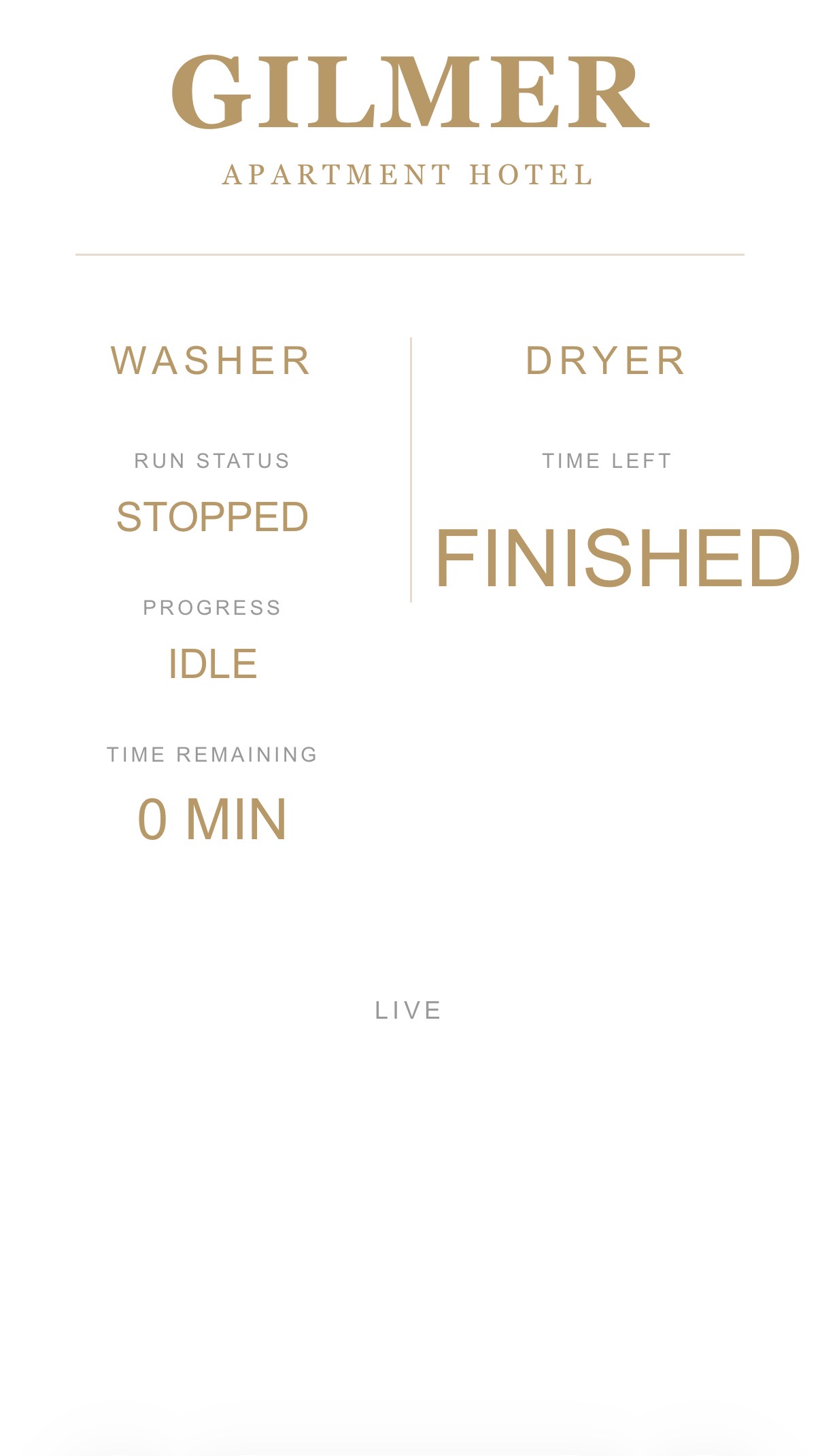
Guest experience and operations
A clever laundry idea from Gilmer Apartment Hotel
A live washer and dryer status page helps guests and housekeeping check their laundry without another trip to the machines.
Read MoreHospoGuy Hints & Tips
Evergreen hospitality hints, housekeeping ideas, technology guidance and operating advice from Bernard Burke and people who know the accommodation industry.
Browse the library
Choose a topic below. New practical HospoGuy tips can be added here each week.
Guest experience and operations
A live washer and dryer status page helps guests and housekeeping check their laundry without another trip to the machines.
Read More
Hospitality Technology
Bernard shares what accommodation operators should look for in a PMS and explains why Mews is one of the first systems he recommends considering for larger properties.
Read MoreHospoGuy Reference Guide
Confused by ADR, RevPAR, ALOS, PMS or OTA? Here’s the HospoGuy quick-reference guide to the numbers and terminology accommodation operators should know.
View the GuideSerious Incidents & Emergencies
Ten clear, respectful steps for accommodation operators responding to a sudden death or serious incident at their property.
Read More
HospoGuy Hint
Act quickly, don’t scrub, and use one of these two practical approaches to save the carpet before a small spill becomes an expensive stain.
Read More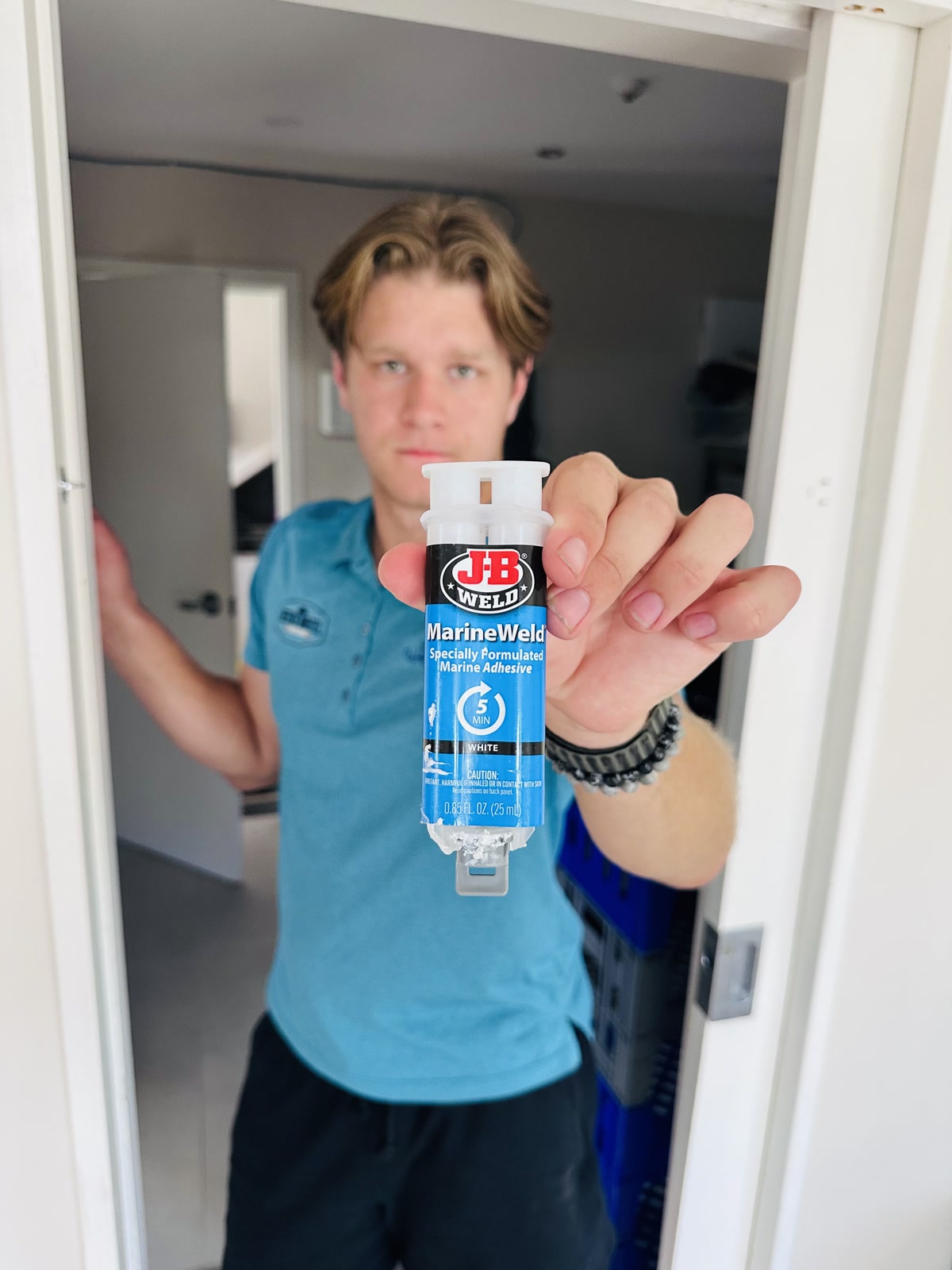
HospoGuy Hint
Tired of shampoo dispensers and bathroom fittings falling off tiled shower walls? Here is the marine-grade adhesive our maintenance team relies on in warm, damp bathrooms.
Read More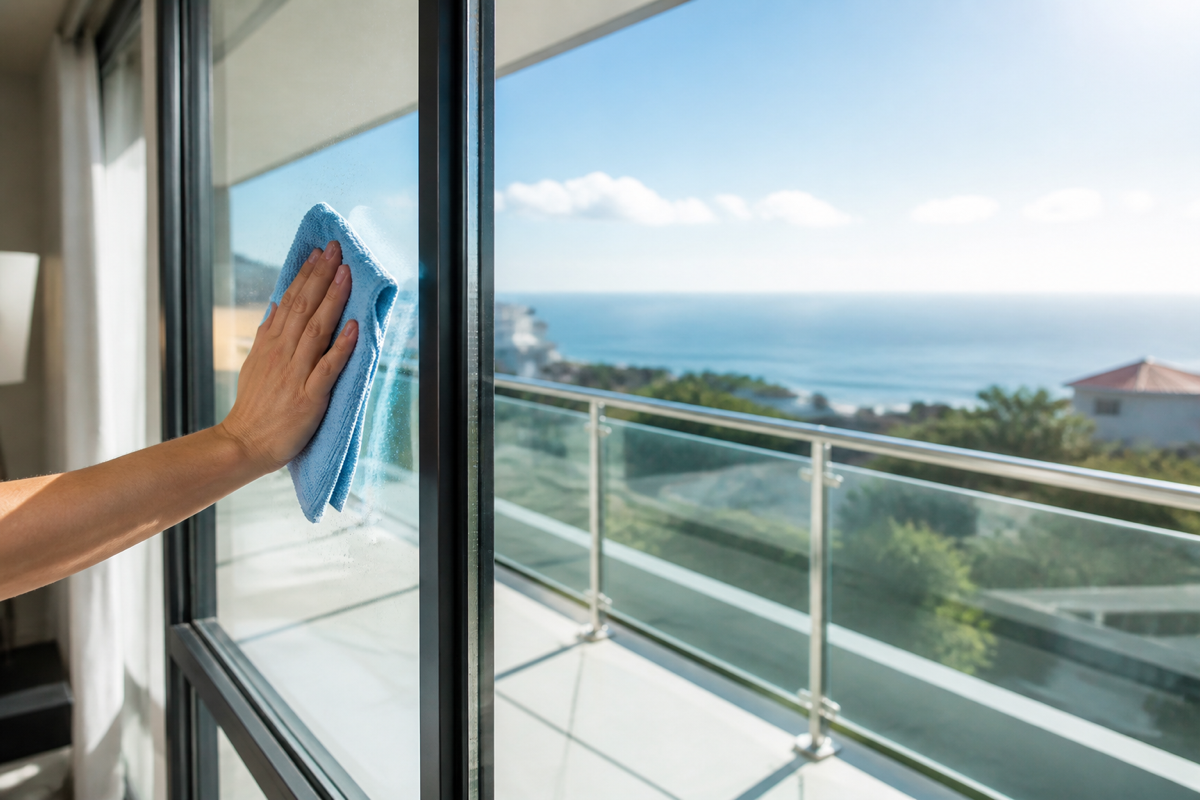
Motel housekeeping tips
Here is a great tip I received while managing apartments in Kaikoura.
After a severe storm, the windows and balustrades needed serious attention. An older housekeeper suggested adding a cup of rinse aid to the bucket along with the usual dishwashing liquid.
The result was fantastic. The rinse aid made a noticeable difference and left the windows and balustrades looking clean, clear, and polished.
A big thank you to that experienced housekeeper in Kaikoura for sharing such a simple but excellent tip.
Hospitality cleaning tips for Kaikoura apartments, hotel window cleaning and accommodation operator tips.

Accommodation Wi-Fi tips
An easy guest Wi-Fi password to use at your accommodation property is:
BookDirect
This is simple for guests to remember and also reinforces a useful message: booking direct can often mean a better deal.
Many accommodation properties still use long, complicated Wi-Fi passwords that are hard for guests to type correctly. If you do not yet have a more modern option, such as providing Wi-Fi access through a QR code, a simple password like BookDirect can be a practical improvement.
Look out for the next tip on how to create your own Wi-Fi QR code — coming soon.
Guest Wi-Fi password ideas for accommodation Wi-Fi tips, motel guest experience, hotel Wi-Fi QR code planning and book direct accommodation messaging.
HospoGuy Hints & Tips
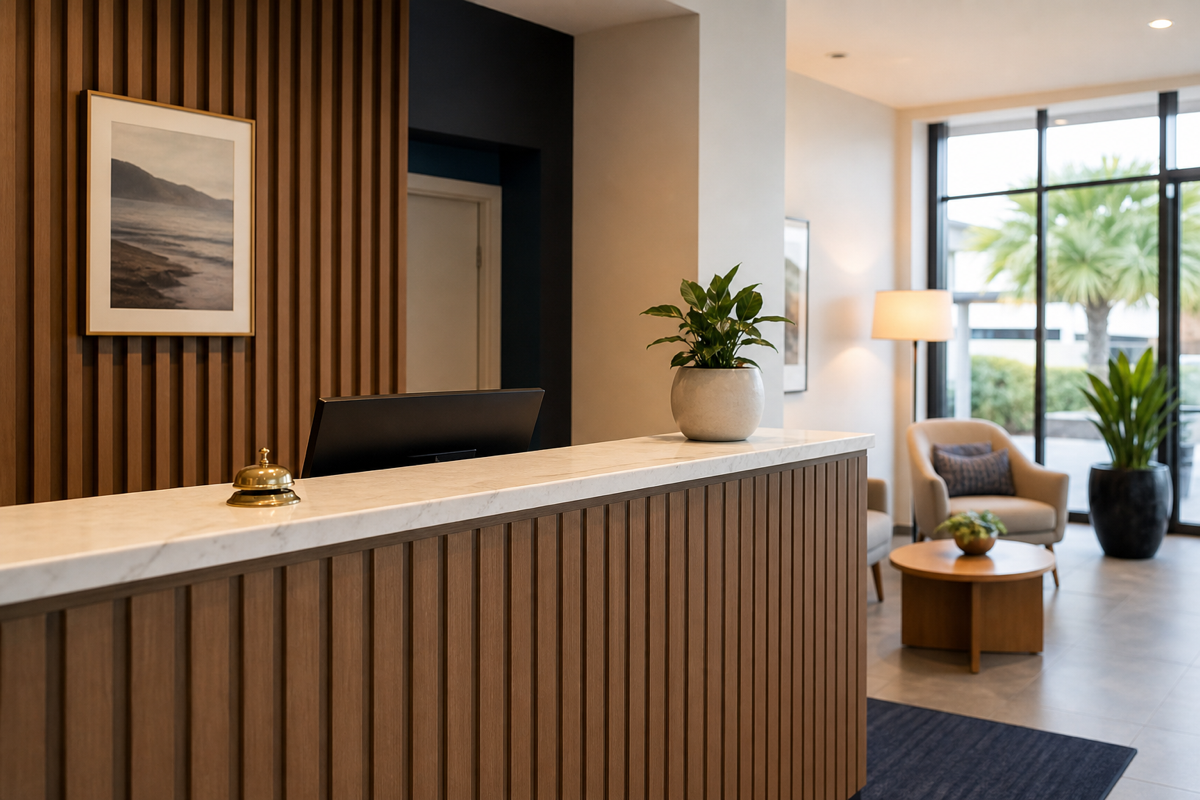
When I first started in the accommodation industry more than 20 years ago, the standard was simple: reception opened at 8:00am and closed at 9:00pm.
The interesting thing was that many evenings, particularly between 5:00pm and 9:00pm, we would not have a single guest walk through the reception door. Yet there we sat, waiting, because that is how it had always been done.
Fast forward to today, and things have changed dramatically. At several properties I have managed in recent years, reception hours have been reduced to 8:00am-6:00pm. At one property I managed only a month ago, reception was open from 8:00am-10:30am and 2:00pm-6:00pm. Guests could still check in until 8:00pm, but the reception desk itself was not staffed all day.
Today's accommodation operators have access to tools that simply did not exist when many of us started in the industry. Guests can complete online check-in, receive arrival instructions automatically by email or SMS, access lockboxes using a code, use self-service kiosks, collect keys from a secure envelope, or use digital keys at some properties.
Many modern property management systems make this process easy and seamless for guests. With systems such as Seekom and other modern PMS platforms, much of the traditional reception workload can now be automated.
Of course, there is no one-size-fits-all answer. A large hotel with a restaurant, bar, conference facilities and 24-hour service expectations has very different requirements from motels, lodges, apartment hotels, resorts and boutique accommodation.
This discussion is really aimed at properties where guests are largely self-sufficient and where arrivals can be managed effectively without a receptionist sitting behind a desk for 13 hours a day.
Reducing unnecessary reception hours can improve work-life balance, reduce staffing costs, allow managers to focus on maintenance, marketing, housekeeping oversight and revenue management, create flexibility during quieter periods, allow you to enjoy a proper lunch break, and even give you the chance to head out for dinner occasionally after closing reception.
What reception hours do our guests actually need?
The answer might surprise you. Providing excellent guest service does not necessarily mean having reception open from dawn until dusk. Sometimes it means using technology intelligently, communicating clearly, and being available when guests genuinely need assistance.
The goal is finding the right balance between great guest service and a sustainable lifestyle for owners and managers.
What are your reception hours? Have you reduced them successfully, or do you believe longer hours are still essential? I would love to hear your thoughts and experiences.
Bernard Burke
HospoGuy - The Hospitality Resource
Accommodation reception hours, motel reception hours, accommodation operator tips, hospitality technology, online check-in and sustainable hospitality management.

HospoGuy Hints & Tips
It is one of those industry questions that quietly sits in the background until someone needs cover, a manager resigns, or an owner starts comparing what other properties are paying.
What is fair pay for an accommodation manager or relief minder? Like most things in hospitality, the honest answer is: it depends. But I do think it is a conversation worth having openly and respectfully.
A 12-unit motel, a 70-room apartment hotel, a holiday park, a boutique lodge and a resort all need different levels of management input. Some properties are quiet and steady. Others are high-touch, high-maintenance and full of moving parts.
Occupancy, guest profile, location, staffing structure, owner involvement, property age, after-hours expectations and technology setup all make a difference. Comparing one rate with another without looking at the property itself can be misleading.
Good accommodation managers are not simply standing behind a reception desk. They are often handling front office, guest service, housekeeping support, after-hours assistance, maintenance coordination, OTA management, owner communication, staff questions, supplier follow-up and the daily judgment calls that keep a property moving.
Experienced managers often go well beyond the tidy job description. I have seen good operators strip rooms, check apartments before housekeeping, help with linen, jump into guest issues, unblock small operational problems and do whatever is needed to maintain standards.
Many accommodation managers live onsite. That can be convenient, but it also means the boundary between work and life can become very thin.
Even when the paid hours might say one thing, the reality can feel very different. The phone can ring after hours. A guest can knock on the door. A late arrival can need help. A maintenance issue can appear at the worst possible time.
If someone is effectively available 24 hours a day, even informally, that needs to be part of any fair discussion about remuneration.
There is also a big difference between an employee manager and a contractor or relief minder. Contractors usually carry their own tax, insurance, travel costs, downtime, tools, systems knowledge and business risk.
An employee arrangement may include accommodation, wages, leave, employment protections and clearer ongoing expectations. A relief minder stepping in for a short period may need to learn a property quickly and perform under pressure from day one.
The structure matters, and so does making sure everyone understands the arrangement before the work begins.
The best people bring more than a smile at reception. They bring calm judgment, guest recovery skills, housekeeping awareness, revenue thinking, OTA knowledge, confidence with maintenance contractors, owner reporting, staff communication and the ability to spot issues before they become expensive.
Those hidden skills often save owners money, protect reviews and keep guests happy. They are easy to undervalue until they are missing.
Modern accommodation work now requires confidence across multiple PMS systems, channel managers, payment platforms, guest messaging tools, online check-in, pricing tools and OTA extranets.
A manager or relief minder who can move between systems, understand Seekom or other PMS platforms, manage online travel agent listings and keep digital workflows tidy is bringing real value to the business.
Years ago, there was a Motel Association guideline often spoken about in the industry that suggested a daily relief rate roughly equal to the property's highest room tariff.
I mention that only as historical context, not as a recommendation. The industry has changed, costs have changed, technology has changed and properties now operate in many different ways. But it is an interesting reminder that this question of fair value has been around for a long time.
I am not suggesting there is one perfect number. What I am suggesting is that fair remuneration should reflect responsibility, availability, experience, property complexity, technology knowledge and the reality of living and working inside the business.
Owners, managers and relief minders all see this from different angles. I would love to hear your views on what fair remuneration should look like across New Zealand accommodation.
Bernard Burke
HospoGuy - The Hospitality Resource
Fair remuneration for accommodation managers, relief minders, motel managers, onsite accommodation management, PMS systems, OTA management and New Zealand hospitality operations.